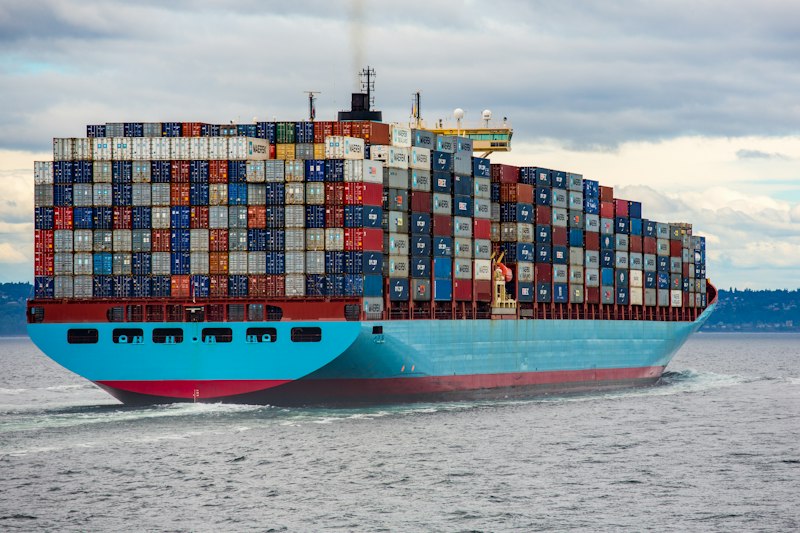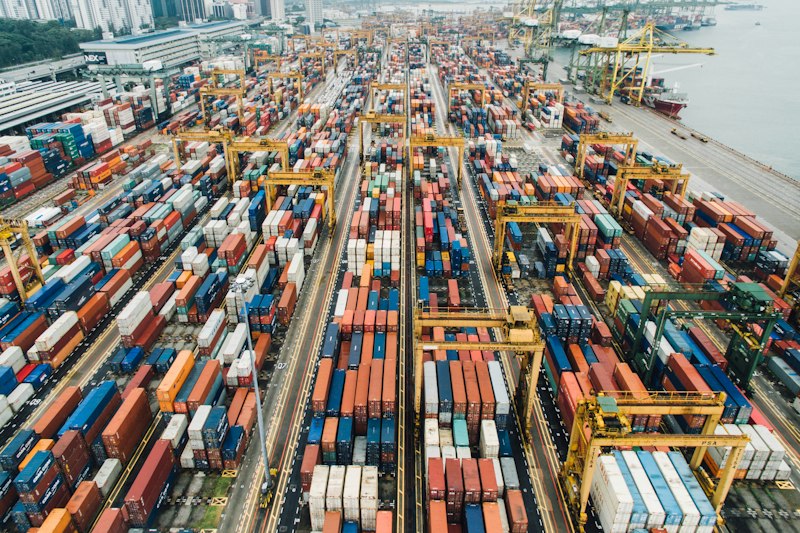


Two terms appear on every ocean freight document and booking: POL (Port of Loading) and POD (Port of Discharge). Understanding what happens at each port, who is responsible for the associated costs, and how port selection impacts your total shipping cost is fundamental knowledge for any importer or exporter.
Port of Loading (POL)
The Port of Loading is the origin port where your cargo is stuffed into a container and loaded onto the vessel. It is where the ocean journey begins.
What happens at the POL:
- Container collection / depot pickup — an empty container is collected from the shipping line's depot and transported to the shipper's warehouse (or CFS for LCL)
- Stuffing — cargo is loaded into the container
- Gate-in at terminal — the laden container is delivered to the terminal and inspected
- Documentation — export customs declaration, pre-shipment inspection (if required)
- Loading — the container is loaded onto the vessel by crane
Origin charges (POL costs):
- THC (Terminal Handling Charge) at origin — port terminal fees for container handling
- POL Customs — export declaration and customs broker fees
- Inland trucking — transport from warehouse to port
- Container inspection fees (if applicable)
Under FOB terms, the seller covers all costs up to and including loading onto the vessel at the POL. Under EXW, the buyer covers everything from the seller's premises.
Port of Discharge (POD)
The Port of Discharge is the destination port where your container is offloaded from the vessel and cleared through import customs.
What happens at the POD:
- Vessel arrival and berthing
- Unloading — container lifted from vessel by crane
- Terminal positioning — container moved to the yard
- Customs examination — green/yellow/red channel
- Customs release — after duties paid
- Gate-out — container exits terminal on your trucker
Destination charges (POD costs):
- DTHC (Destination Terminal Handling Charge) — same concept as origin THC but at destination
- POD Customs — import clearance, duties, customs broker fees
- Inland trucking — from destination port to consignee's warehouse
- Demurrage — charges if container is not collected within free time (typically 3–5 days)
- Detention — charges if the empty container is not returned to depot within free time
Under FOB or CFR/CIF terms, the buyer covers all destination charges. Under DDP, the seller covers everything including destination duties.
How Port Selection Affects Total Cost
Port Proximity to Your Cargo
Using a port closer to your production facility (POL) or distribution center (POD) reduces inland trucking costs. On some trade lanes, choosing a secondary port over the main gateway port saves on port congestion surcharges.
Port Efficiency and Infrastructure
Major, well-equipped ports (Shanghai, Singapore, Rotterdam, Dubai) offer:
- Faster customs processing
- Better vessel frequency
- More reliable crane operations
- Better rail and road connectivity
Smaller or congested ports can add days of delay and higher terminal costs.
Transshipment Implications
If your origin or destination port is not served by direct main-line vessels, cargo will transship through a hub. The hub port's charges add to the total cost, and the additional handling adds transit time.
Key Terms Summary
| Term | Meaning |
|---|---|
| POL | Port of Loading — origin port |
| POD | Port of Discharge — destination port |
| ETD | Estimated Time of Departure from POL |
| ETA | Estimated Time of Arrival at POD |
| THC | Terminal Handling Charge at POL |
| DTHC | Terminal Handling Charge at POD |
| Free Time | Days at terminal before demurrage starts |
| Demurrage | Port storage charges after free time |
| Detention | Container hire charges after free time outside terminal |
Choosing the right combination of POL and POD — and understanding all associated charges — is central to managing your total logistics cost effectively.