

When searching for ocean freight quotes, you will notice some sailings are labeled "Direct" and others "Transshipment." Understanding the difference helps you make the right trade-off between cost, time, and risk.
What Is a Direct Sailing?
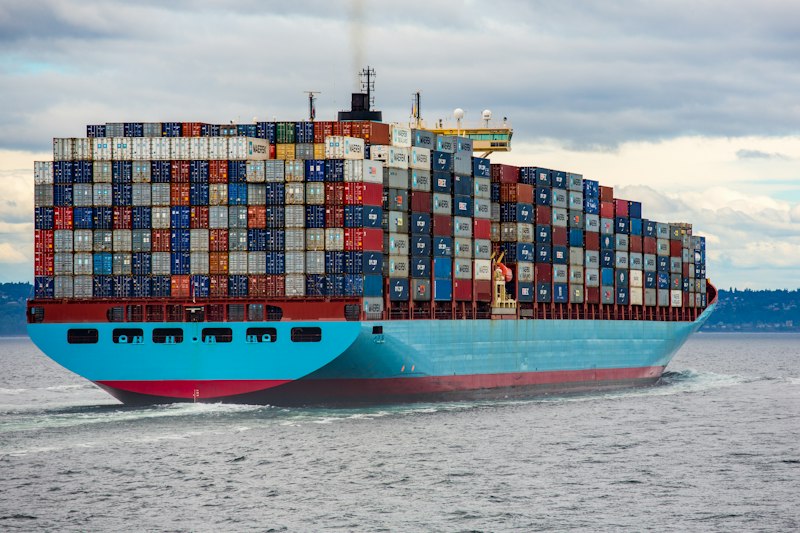
A direct sailing means your container travels on a single vessel from the port of loading (POL) to the port of discharge (POD) without being transferred to another ship. The container is loaded at origin and unloaded only at the final destination.
Advantages of direct sailings:
- Shorter transit time
- Lower risk of cargo damage (no crane operations mid-journey)
- Simpler documentation and tracking
- No risk of missed connections at the transshipment hub
Disadvantages:
- Not all trade lanes have direct services
- May be more expensive on thinner trade lanes
- Fewer departure frequency options
What Is Transshipment?
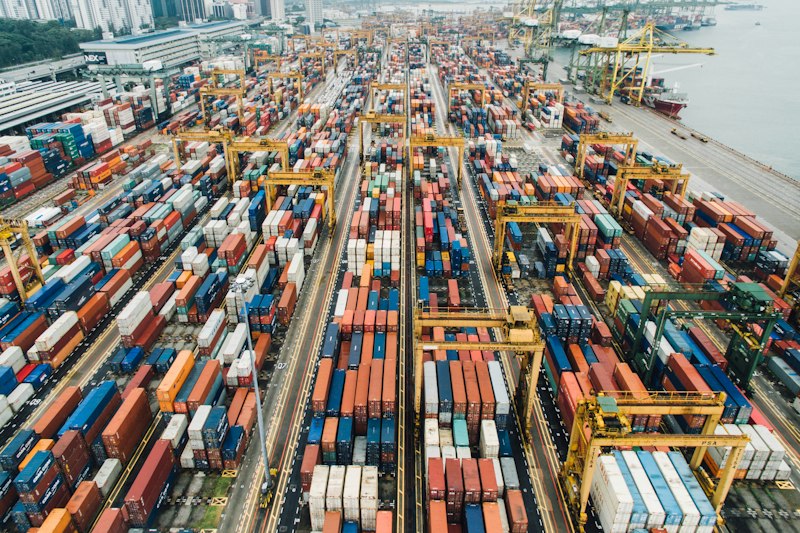
Transshipment means your container is transferred from one vessel to another at an intermediate port (the transshipment hub) before reaching its final destination. The hub is typically a major port with high vessel frequency — Singapore, Rotterdam, Colombo, Port Klang, Algeciras.
Example: A container from Durban (South Africa) to Riyadh (Saudi Arabia) might travel:
- Durban → Singapore (on a feeder vessel)
- Singapore → Jeddah (on a main-line vessel)
- Jeddah → inland to Riyadh
Advantages of transshipment:
- Access to ports not served by direct main-line vessels
- Often more frequent departures (feeder vessels run weekly)
- Can be more competitive on some routes
Disadvantages:
- Longer overall transit time (waiting at hub port adds 3–7 days)
- Risk of missed vessel connection at the hub
- Additional handling increases cargo damage risk
- More complex tracking (multiple vessels, multiple voyage numbers)
- In case of rollover at hub, shipment can be delayed significantly
When Does Transshipment Risk Become a Problem?
Missed Connections
When the feeder vessel arrives late at the hub, the main-line vessel may have already departed. Your container is then "rolled over" to the next available sailing — potentially 1–2 weeks later.
Hub Port Congestion
Major transshipment hubs (especially during peak season) can experience severe congestion. Containers can wait days at the hub before being loaded onto the connecting vessel.
Documentation Complexity
Transshipment shipments require the B/L to reflect the correct route. If customs authorities require a "through B/L" (a single document covering the entire journey), ensure your forwarder issues one.
How to Evaluate Transshipment Routes
When comparing direct vs transshipment options, consider:
- Total transit time difference — is 5 extra days worth the cost saving?
- Hub port reliability — Singapore and Rotterdam have high efficiency; smaller hubs carry more risk
- Connection time — a tight connection (under 24 hours) at the hub increases rollover risk
- Cargo nature — perishables and time-sensitive cargo should avoid transshipment where possible
- Carrier reliability — check on-time performance data for the specific carrier and hub combination
On Portway, transshipment routes are clearly labeled so you can make an informed choice. Both service types are priced transparently, letting you decide based on your specific priorities.