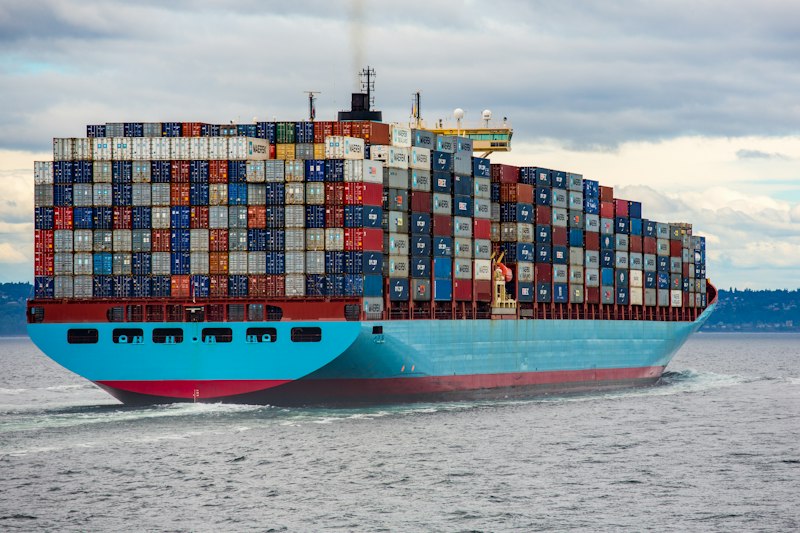

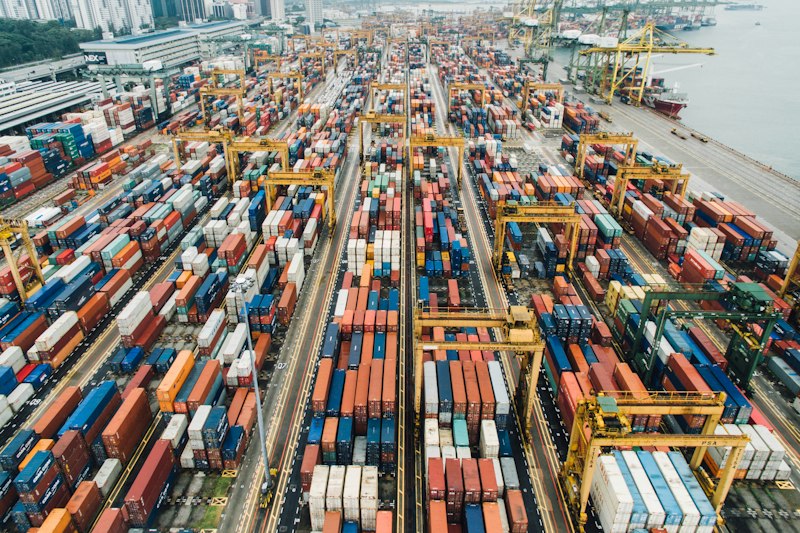
When it comes to ocean freight, one of the first decisions shippers face is whether to use Less than Container Load (LCL) or Full Container Load (FCL). This choice has a direct impact on cost, transit time, and cargo safety.
What Is FCL (Full Container Load)?
FCL means you rent the entire container exclusively for your cargo — whether it's a 20-foot (20GP), 40-foot (40GP), or 40-foot High Cube (40HC). Your goods are sealed inside from origin to destination, and no other cargo is mixed with yours.
When FCL makes sense:
- Your cargo fills 15+ CBM (cubic meters) or more than 10 pallets
- You need to minimize handling and reduce damage risk
- Time-sensitive shipments where you cannot afford delays caused by consolidation
- High-value goods that require maximum security
What Is LCL (Less than Container Load)?
LCL, also known as groupage, means your cargo shares container space with goods from other shippers. A freight consolidator groups multiple smaller shipments together to fill a container, and the cost is split proportionally based on volume (CBM) or weight.
When LCL makes sense:
- Your cargo is smaller than 1–2 CBM up to about 12–15 CBM
- You are testing a new supplier and don't want to commit to a full container
- You need to ship regularly but in smaller quantities
- Budget is a priority over speed
Key Differences: LCL vs FCL
| Factor | LCL | FCL |
|---|---|---|
| Cost for small volumes | Lower | Higher |
| Cost for large volumes | Higher per CBM | Lower |
| Transit time | Longer (consolidation adds days) | Shorter |
| Cargo security | More handling touchpoints | Sealed, less handling |
| Flexibility | High — ship any size | Best when cargo fills container |
The Break-Even Point
As a rule of thumb, FCL becomes cost-competitive when your shipment exceeds 12–15 CBM or weighs more than 10,000 kg. Below that, LCL is usually more economical. However, you should always request quotes for both options since rates vary by trade lane, carrier, and season.
Practical Tips
- Measure your cargo accurately — calculate volume in CBM (length × width × height in meters) and get the gross weight. Inaccurate measurements lead to costly corrections at origin.
- Factor in total cost — LCL rates include origin CFS (Container Freight Station) handling, freight, and destination CFS charges. Compare total landed costs, not just sea freight.
- Consider cargo compatibility — certain goods (chemicals, food, pharmaceuticals) may not be suitable for LCL consolidation due to contamination risk.
- Check cut-off dates — LCL consolidations have strict vessel cut-off dates. Missing the cut-off means waiting for the next sailing.
Whether you choose LCL or FCL, Portway gives you transparent pricing on both options so you can make an informed decision for every shipment.